
Preparing
Calcium (Ca) Colorimetric Assay Kit
The Calcium Test Kit is intended for the quantitative determination of calcium concentration. Cat.No: OttoBC133
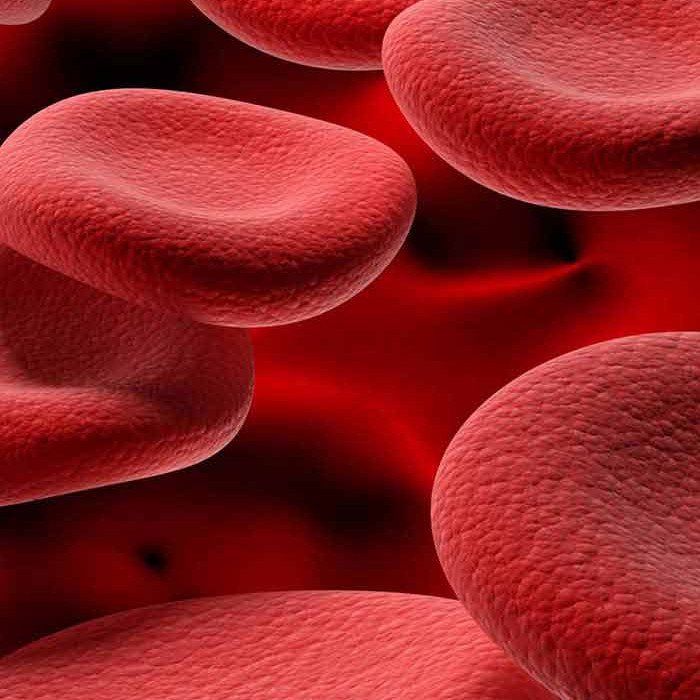
Product Description
The adult human body contains about 1000 to 1500 g of Ca (depending on gender, race, size of the body) of which 99% is found in the bones in the form of hydroxyapatite. For this reason, Ca is probably the most studied nutrient in the area of bone health. Dietary Ca requirement is determined mostly by skeletal needs, and it exerts a threshold behavior.
Approximately 80–90% of bone mineral content is comprised of calcium and phosphorus. Other dietary components, such as protein, magnesium, zinc, copper, iron, fluoride, vitamins D, A, C, and K are required for normal bone metabolism, while other ingested compounds not usually categorized as nutrients.
Contents
Colorimetric method assay
Detects Calcium concentration in serum or plasma
Calcium + Arsenazo III → Coloured Calcium
Complex
Referanslar
1. Journal of the American College of Nutrition, Vol. 19, No. 6, 715–737 (2000) Published by the American College of Nutrition
2. Pocock NA, Eisman JA, Hopper JL, Yeates MG, Sambrook PN, Eberl S: Genetic determinants of bone mass in adults. A twin study. J Clin Invest 80:706–710, 1987.
3. Standing Committee on the Scientific Evaluation of Dietary Reference Intakes Food and Nutrition Board, Institute of Medicine: “Dietary Reference Intakes for Calcium, Phosphorus, Magnesium, Vitamin D and Fluoride.” Washington, DC: National Academy Press, 1997.
4. Ilich JZ, Skugor M, Hangartner T, Baoshe A, Matkovic V: Relation of nutrition, body composition and physical activity to skeletal development: a cross‑sectional study in preadolescent females. J Am Coll Nutr 17:136–147, 1998.
5.Doumas B.T., Watson W.A., Biggs H.G.. Albumin standards and the measurement of serum albumin with bromcresol green. Clin Chim Acta 1971 ;31 :87‑96.
6.Glick M.R., Ryder K.W., Jackson SA. Graphical Comparisons of Interferences in Clinical Chemistry Instrumentation. Clin Chem 1986;32:470‑474.
7.Grant G.H., Silverman L.M., Christenson R.H.. Amino acids and proteins. In: Tietz N.W. (ed.). Fundamentals of Clinical Chemistry, 3rd Philadelphia, Pa: W.B. Saunders, 1987:328‑330.
Clinical Guide to Laboratory Tests, 3rd . Philadelphia, Pa: WB Saunders, 1895:22‑24.
About the Otto Scientific product ecosystem
Develops biomarker-focused kit families for scientific research and translational studies.
Produces ELISA-oriented product groups for routine research and assay development use.
Designs oxidative stress panels for Total Antioxidant Status (TAS), Total Oxidant Status (TOS), Superoxide Dismutase (SOD), Glutathione Peroxidase (GPx), and Catalase workflows.
Builds reagent structures compatible with cell culture studies and MTT assay workflows.
Supports western blot analysis and real-time PCR applications with assay-specific components and documentation.
Extends product planning for pathology, histopathology, immunohistochemistry, and selected trace element analysis studies.
Prepares product documents, datasheets, and certificates in a clear structure for scientific teams.
Maintains batch continuity, packaging discipline, and repeat order consistency across product families.
Aligns product combinations with academic and industrial research program requirements.
Shares raw material, lead time, and supply planning information transparently.
Provides product communication for storage, setup, and application-specific usage questions.
Supports manufacturer-direct communication from first review to repeat procurement steps.
Brief Information About Otto Scientific
- Developing test kits and consumables for biochemistry, molecular biology, pathology, and cell culture workflows.
- Managing technical documentation, traceability, and quality records through structured product processes.
- Supporting universities, R&D centers, and industrial teams with manufacturer-direct product communication.
Similar Products
Similar products are suggested automatically based on category and filter matches.
Otto Scientific
Scientific products for research teams
We develop qPCR, ELISA, western blot, immunohistochemistry, and oxidative stress-compatible product families for research and diagnostic teams.
Our portfolio is built around repeatability, documentation clarity, and practical application use.
